Insights & Analysis

Strategic perspectives on digital ecosystems

Corporate analysis and insights on artificial intelligence, e-commerce, brand strategy, and software engineering.

AI Agent ile Chatbot Arasındaki Fark

Featured Insight

AI Agent vs. Chatbot: Why Companies Are Now Building Systems That Do Work, Not Just Answer Questions

The key transformation in enterprise AI is not simply that models can communicate better, but that they can safely and controllably take action across software systems. The primary output of a traditional chatbot is an answer. The output of an AI agent is completed work: checking an order, creating a return, updating a CRM record, preparing a quotation, reviewing a document, analyzing supplier risk, or initiating a transaction after the required approval. For this reason, chatbots and AI agents are not the same. **A chatbot is often a user interface; an agent is a decision-making, tool-using, and execution architecture.** By working with APIs, enterprise data, memory, workflows, and permission controls, an agent can complete multi-step tasks and request human approval when necessary. Real-world examples demonstrate the operational value of this shift. Klarna reported that its AI assistant handled 2.3 million customer conversations in its first month, reduced resolution time from 11 minutes to under 2 minutes, and cut repeat inquiries by 25%. Eczacıbaşı Holding reported reducing some supplier-risk decision cycles from as long as two weeks to under three days and shortening certain mining analyses by more than 90%. However, agent systems also introduce greater operational risk than chatbots. A wrong answer creates an information-quality problem; a wrong agent action can modify records, trigger financial transactions, or access sensitive data. Identity management, least-privilege permissions, human approval, audit logs, sandboxing, monitoring, and rollback mechanisms therefore become core architectural requirements. For companies, the right objective is not maximum autonomy but measurable and economically optimal autonomy. Success should no longer be judged by how well an AI can talk, but by what work it can reliably complete, at what cost, with what success rate, under what authority, and within which security boundaries.

Artificial Intelligence

Latest Analyses

Split-screen digital illustration showing the evolution of internet search; traditional text-based web search on the left, social media search and social commerce with short-form videos, creators, and shopping elements on the right, and a young user standing in the center.
Digital Marketing

The Post-Google Era: Why Are 40% of Gen Z and Generation Alpha Searching on Social Media?

The search bar is no longer a cold data tool made up of keyboard keys; it is a massive camera lens that reflects the experiences of real people. The future of commerce will belong not to those who write the best copy, but to those who offer the most authentic visual experience.
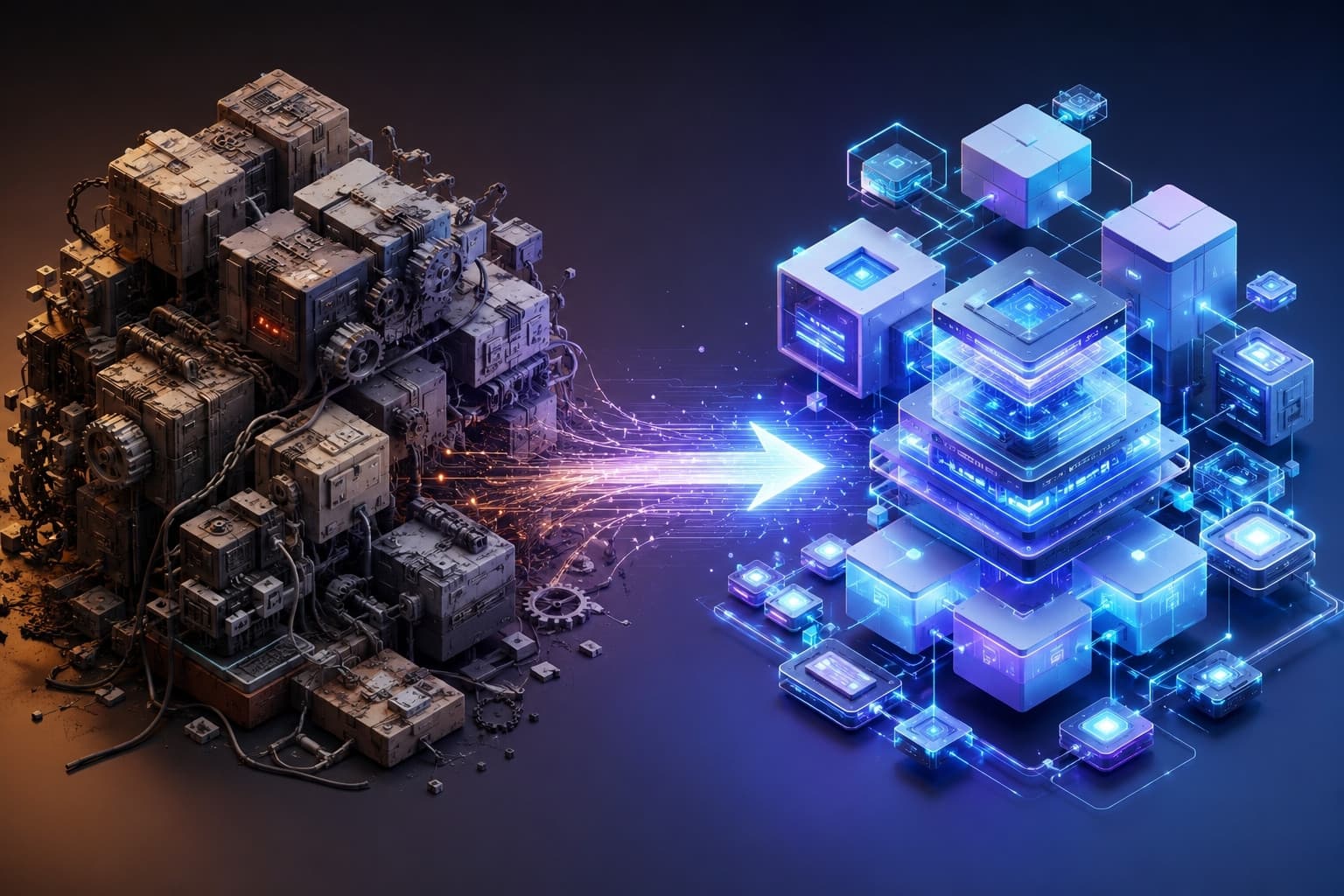
Monolitik web altyapısından esnek Headless CMS ve Next.js mimarisine geçişi temsil eden izometrik teknoloji illüstrasyonu.
Software Engineering

Digital Transformation and Software Strategy: Transitioning from Monolithic Structures to Headless Architecture and the 2026 High-Converting Traffic Economy

While the slowness and security risks of traditional monolithic CMSs hinder enterprise growth, transitioning to Headless CMS, Next.js, and Edge network infrastructures elevates website performance to the millisecond level. In today's digital economy—where every 1-second improvement in load time yields a 7% increase in conversion rates and direct revenue growth—adopting this modern software architecture is not merely a technical choice, but a strategic investment that safeguards organic search visibility, customer retention, and profitability.
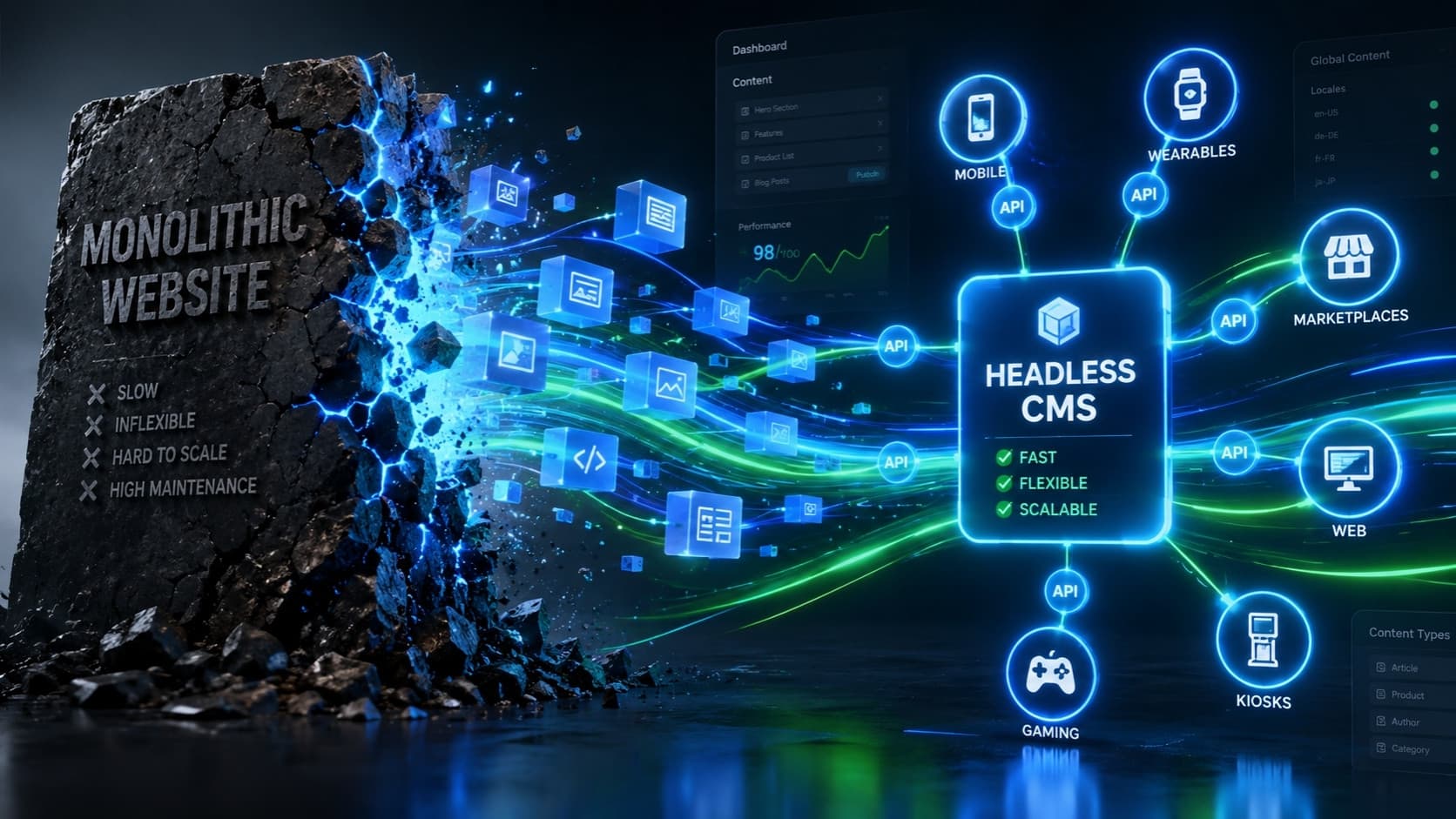
Futuristic 3D illustration showing the transition from a slow monolithic website to a fast, API-driven Headless CMS architecture with modular components, highlighting performance, scalability, and flexibility.
Software Engineering

Migrating from Monolithic Structures to Headless CMS Architecture

A Performance, Security, and SEO-Oriented Turning Point in Enterprise Digital Transformation
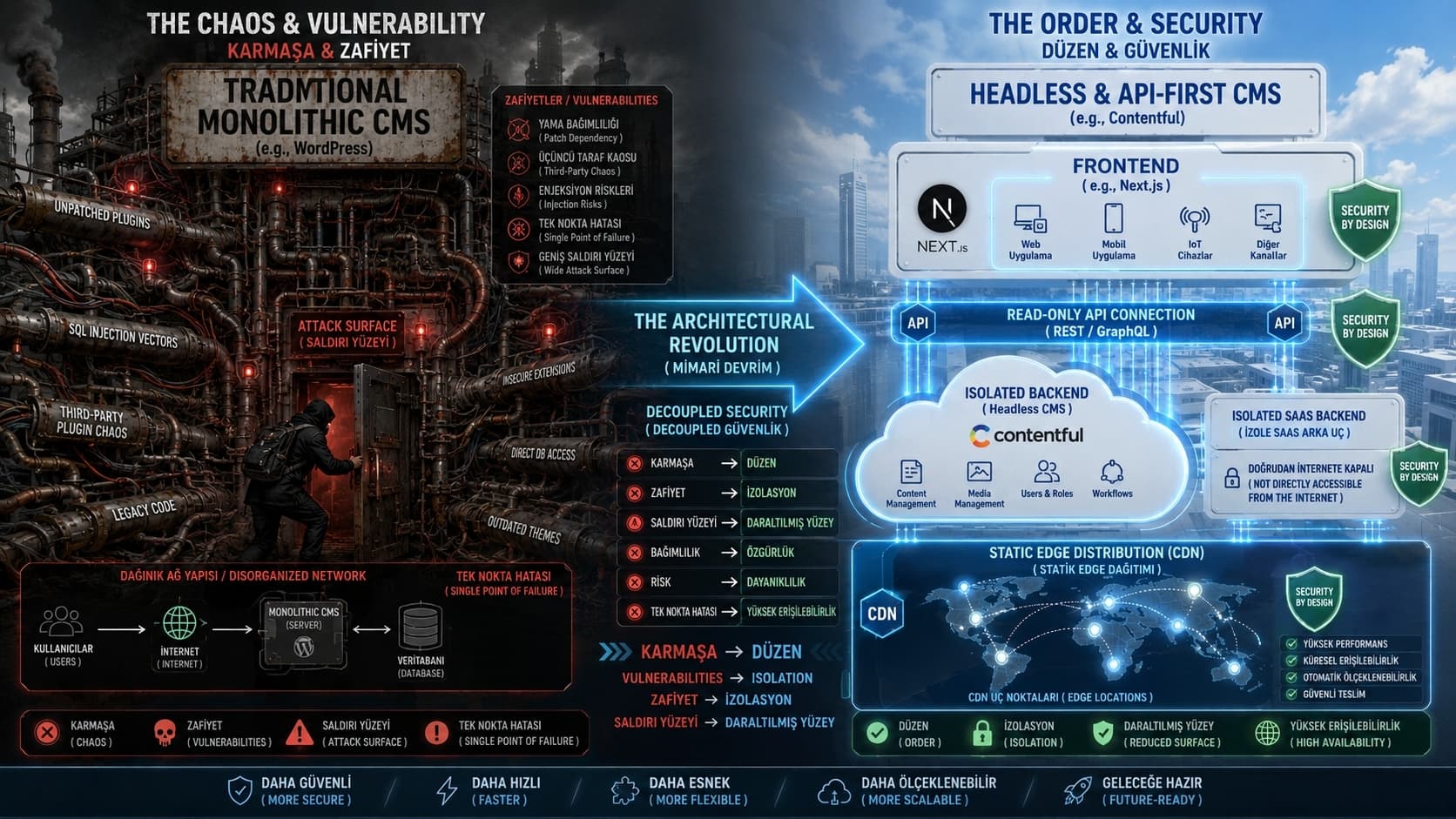
16:9 infographic showing the shift from traditional monolithic CMS to headless and API-first architecture. The left side depicts a WordPress-like monolithic setup with plugin dependency chaos, exposed attack surface, and security vulnerabilities; the right side shows a Next.js frontend, isolated SaaS backend, read-only API connections, CDN distribution, and a security-by-design approach.
Cyber Security

Monolithic Risks in Enterprise Security: Narrowing the Cyber Threat Landscape with Headless and API-First Architectures

To ensure institutional data integrity and protect brand reputation, replacing traditional monolithic CMS architectures (such as WordPress) with "Headless" and "API-First" architectures is no longer a luxury but a critical strategic mandate against evolving cyber threats.